Exporting Nigerian Sesame to the EU, Japan and Korea: Salmonella, Aflatoxin and Residue Requirements
The highest-paying sesame markets also have the strictest food-safety rules. What EU, Japanese and Korean importers need from a Nigerian supplier — and how to avoid a rejected container.
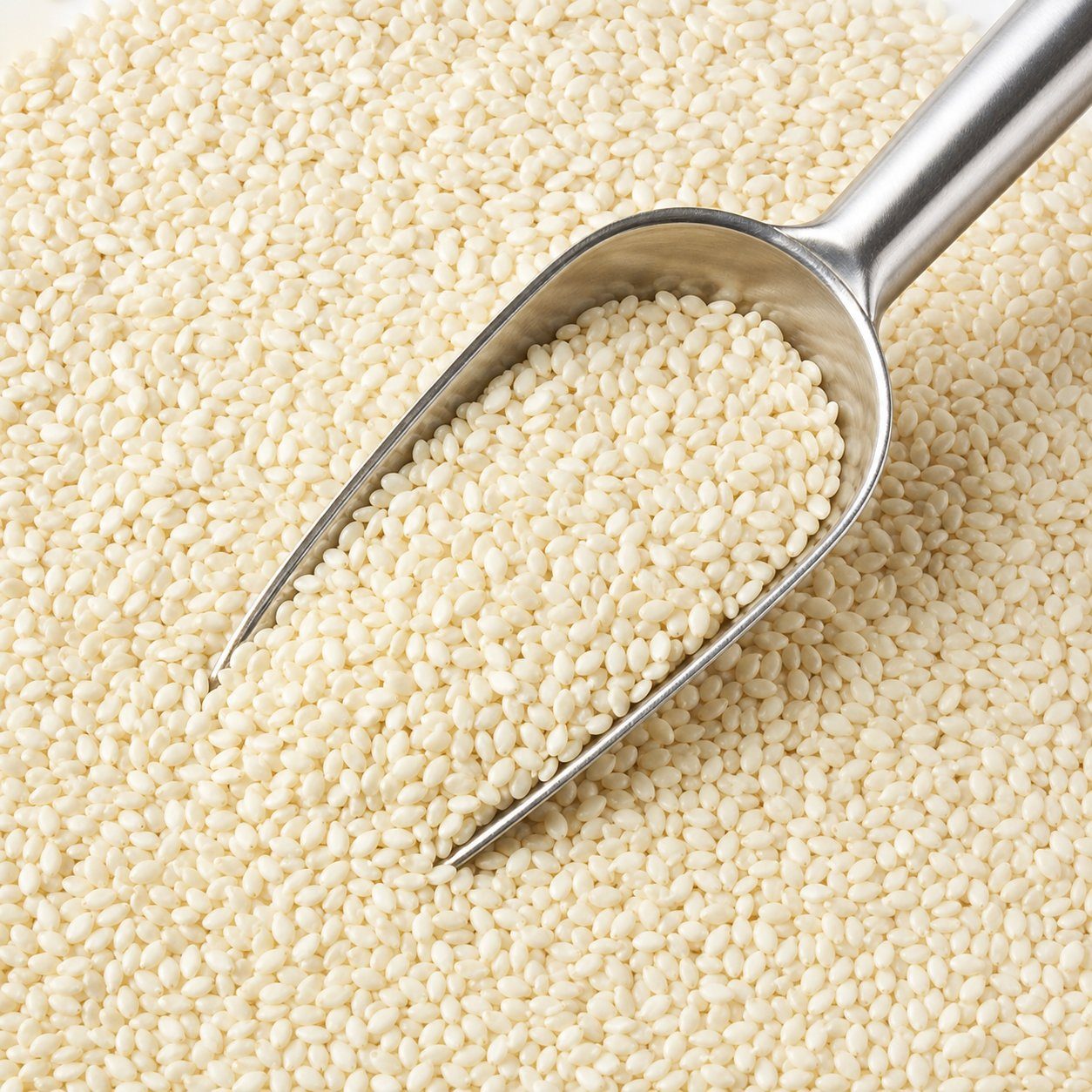
Natural white Nigerian sesame earns its best prices in the European Union, Japan and South Korea. Those markets also apply the strictest food-safety controls on sesame of any in the world, and consignments that fail are rejected, destroyed or re-exported at the importer's cost. Here is what each requires and how a well-run exporter prepares for it.
European Union
- Increased official controls. Sesame from Nigeria is listed under the EU regulation on temporary increased controls (Regulation (EU) 2019/1793 as amended) for Salmonella and pesticide residues. Consignments must be accompanied by an official certificate and the results of sampling and analysis, and a set proportion is physically checked at the border control post. [Owner: check the current annex and check frequency for Nigerian sesame before publishing.]
- Salmonella — absent in 25 g, tested on samples drawn according to EU sampling rules.
- Aflatoxin — maximum 2 ppb B1 and 4 ppb total for oilseeds intended for direct human consumption.
- Pesticide residues — within EU maximum residue levels; ethylene oxide is a particular focus following past sesame recalls.
Japan
- Aflatoxin maximum 10 ppb total, tested under the Ministry of Health, Labour and Welfare monitoring system.
- Pesticide residues under Japan's positive-list system — any substance without a set MRL defaults to 0.01 mg/kg.
- Strong preference for colour-sorted, 99.5%+ purity white seed with very low foreign matter; appearance is scored on arrival.
South Korea
- Import inspection by the Ministry of Food and Drug Safety; aflatoxin and residue limits broadly aligned with Japan.
- Korea imports large volumes of sesame for oil and food and applies a quota/tariff system that favours established, compliant suppliers.
How an exporter prepares
- Source and dry properly. Mould and aflatoxin start in the field and on the drying floor; seed dried on bare earth or stored damp is rejected at intake.
- Clean to the standard. Gravity separation and optical sorting remove the stones, soil and immature seed that carry contamination.
- Test before loading. Representative samples go to an accredited laboratory for Salmonella, aflatoxin and residues before the container is booked, not after.
- Treat where needed. Steam sterilisation at destination (through the importer's processor) is the accepted route to Salmonella-free food-grade sesame for the EU; we coordinate documentation accordingly.
- Document correctly. Official certificates must match the consignment exactly — consignee, container, seal, lot — or the border post will hold the cargo.
Renamy Sesame Nigeria prepares food-grade sesame for these markets with laboratory testing on every lot and welcomes your appointed inspector at sampling and loading. See our Sortex-cleaned grade or talk to us about your market's requirements.
Sourcing sesame seeds from Nigeria?
Get a written quotation and specification within two business days.
More Insights
Ready to Source Export-Grade Sesame Seeds from Nigeria?
Tell us your grade, tonnage, packing and destination port. Our export team will prepare a detailed FOB or CIF quotation and a sample plan.